Advancing Research
on the 1-MNA Molecule
Exploring the biological and therapeutic potential of 1-methylnicotinamide (1-MNA).
Mnaxis is a research and development platform developed by Pharmena S.A., focused on advancing scientific understanding of the 1-MNA molecule and its potential therapeutic applications.
Advancing Research on the 1-MNA Molecule
Exploring the biological and therapeutic
potential of 1-methylnicotinamide (1-MNA).
Mnaxis is a research and development platform developed by Pharmena S.A., focused on advancing scientific understanding of the 1-MNA molecule and its potential therapeutic applications.
The Science of 1-MNA
1-methylnicotinamide (1-MNA) is a naturally
occurring metabolite of niacin (vitamin B3)
produced in the human body during
metabolic processes.
Over the past two decades, numerous research groups worldwide have investigated the biological properties of this molecule and its therapeutic relevance across multiple physiological mechanisms.
Scientific studies indicate that 1-MNA may influence biological pathways involved in vascular function, inflammatory responses and metabolic regulation.
The Science of 1-MNA
1-methylnicotinamide (1-MNA) is a naturally
occurring metabolite of niacin (vitamin B3)
produced in the human body during
metabolic processes.
Over the past two decades, numerous research groups worldwide have investigated the biological properties of this molecule and its therapeutic relevance across multiple physiological mechanisms.
Scientific studies indicate that 1-MNA may influence biological pathways involved in vascular function, inflammatory responses and metabolic regulation.

Scientiffic Highlights
Research on the biological activity of 1-methylnicotinamide (1-MNA) has been conducted for more than two decades by international scientific teams.
Key research highlights
-
20+ years of scientific research
Extensive studies exploring the biological activity of the 1-MNA molecule. -
200+ scientific publications
Research articles investigating the biological properties and potential applications of 1-MNA. -
International scientific collaborations
Studies conducted by research institutions across Europe, the United States and Asia. -
Multiple biological mechanisms studied
Including endothelial function, inflammatory pathways and metabolic regulation.

Scientiffic Highlights
Research on the biological activity of 1-methylnicotinamide (1-MNA) has been conducted for more than two decades by international scientific teams.
Key research highlights
-
20+ years of scientific research
Extensive studies exploring the biological activity of the 1-MNA molecule. -
200+ scientific publications
Research articles investigating the biological properties and potential applications of 1-MNA. -
International scientific collaborations
Studies conducted by research institutions across Europe, the United States and Asia. -
Multiple biological mechanisms studied
Including endothelial function, inflammatory pathways and metabolic regulation.
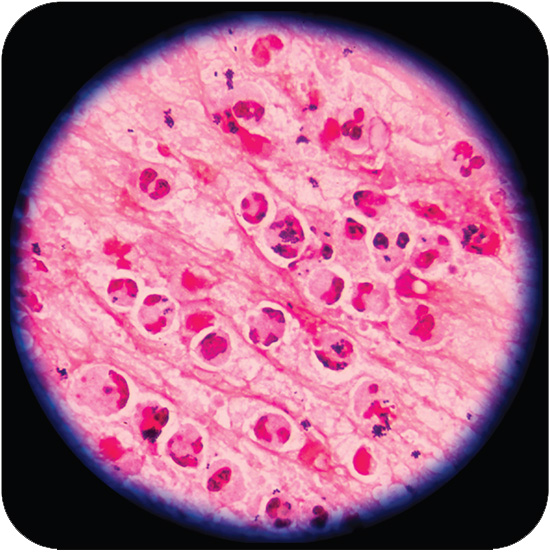
Biological Mechanisms
Endothelial Function
Studies indicate that 1-MNA may influence endothelial activity, including mechanisms associated with nitric oxide (NO) bioavailability and vascular homeostasis.
Anti-inflammatory Activity
Research suggests that 1-MNA may modulate inflammatory pathways and influence selected biomarkers associated with inflammatory processes.
Antithrombotic Mechanisms
Experimental models have shown that 1-MNA may stimulate endogenous prostacyclin (PGI2) production, a factor involved in the regulation of platelet aggregation.
Cardiovascular Function
Research indicate that 1-MNA may influence vascular tone and biological pathways associated with cardiovascular physiology.
Anti-fibrotic Potential
Preclinical research suggests that 1-MNA may influence biological mechanisms involved in tissue fibrosis and inflammatory responses.
Endothelial Function
Anti-inflammatory Activity
Antithrombotic Mechanisms
Cardiovascular Function
Anti-fibrotic Potential
Endothelial Function
Endothelial FunctionStudies indicate that 1-MNA may influence endothelial activity, including mechanisms associated with nitric oxide (NO) bioavailability and vascular homeostasis. |
|---|
Anti-inflammatory Activity
Anti-inflammatory ActivityResearch suggests that 1-MNA may modulate inflammatory pathways and influence selected biomarkers associated with inflammatory processes. |
|---|
Antithrombotic Mechanisms
Antithrombotic MechanismsExperimental models have shown that 1-MNA may stimulate endogenous prostacyclin (PGI2) production, a factor involved in the regulation of platelet aggregation. |
|---|
Cardiovascular Function
Cardiovascular FunctionResearch indicate that 1-MNA may influence vascular tone and biological pathways associated with cardiovascular physiology. |
|---|
Anti-fibrotic Potential
Anti-fibrotic PotentialPreclinical research suggests that 1-MNA may influence biological mechanisms involved in tissue fibrosis and inflammatory responses. |
|---|
Research Areas and Therapeutic Potential
Research on the biological activity of 1-methylnicotinamide (1-MNA) suggests potential relevance across several areas of biomedical research. Understanding the mechanisms of action of this molecule provides a foundation for exploring its possible therapeutic applications.
Cardiovascular System
Mechanisms related to endothelial function, vascular tone regulation and thrombosis-related pathways.
Inflammatory Processes
Biological pathways involved in inflammatory responses and the regulation of inflammatory mediators.
Fibrotic Processes
Mechanisms associated with tissue fibrosis and inflammatory signaling.
Metabolic Regulation
Biological processes related to metabolic balance and vascular physiology.
Cardiovascular System
Inflammatory Processes
Fibrotic Processes
Metabolic Regulation
Cardiovascular System
Cardiovascular SystemMechanisms related to endothelial function, vascular tone regulation and thrombosis-related pathways. |
|---|
Inflammatory Processes
Inflammatory ProcessesBiological pathways involved in inflammatory responses and the regulation of inflammatory mediators. |
|---|
Fibrotic Processes
Fibrotic ProcessesMechanisms associated with tissue fibrosis and inflammatory signaling. |
|---|
Metabolic Regulation
Metabolic RegulationBiological processes related to metabolic balance and vascular physiology. |
|---|
Safety Profile
1-methylnicotinamide (1-MNA) is a naturally
occurring molecule produced in the human
body during the metabolism of niacin.
Its safety profile has been investigated in
multiple studies evaluating its biological
activity and therapeutic effects.
Safety Profile
1-methylnicotinamide (1-MNA) is a naturally
occurring molecule produced in the human
body during the metabolism of niacin.
Its safety profile has been investigated in
multiple studies evaluating its biological
activity and therapeutic effects.
Scientific Research
Over the past two decades, researchers from
numerous international academic and
scientific institutions have conducted studies
exploring the biological properties and
potential applications of the 1-MNA molecule.
These investigations include basic research as
well as preclinical and clinical studies
examining its biological activity.
Scientific Research
Over the past two decades, researchers from
numerous international academic and
scientific institutions have conducted studies
exploring the biological properties and
potential applications of the 1-MNA molecule.
These investigations include basic research as
well as preclinical and clinical studies
examining its biological activity.
Scientific Publications
The scientific body of work related to 1-MNA includes numerous publications authored by
researchers from international academic
institutions and research centers.
These publications document the biological
properties of the molecule and explore its
potential applications across different areas of life science.
Explore scientific publications.
Scientific Publications
The scientific body of work related to 1-MNA includes numerous publications authored by
researchers from international academic
institutions and research centers.
These publications document the biological
properties of the molecule and explore its
potential applications across different areas of life science.
Explore scientific publications.